
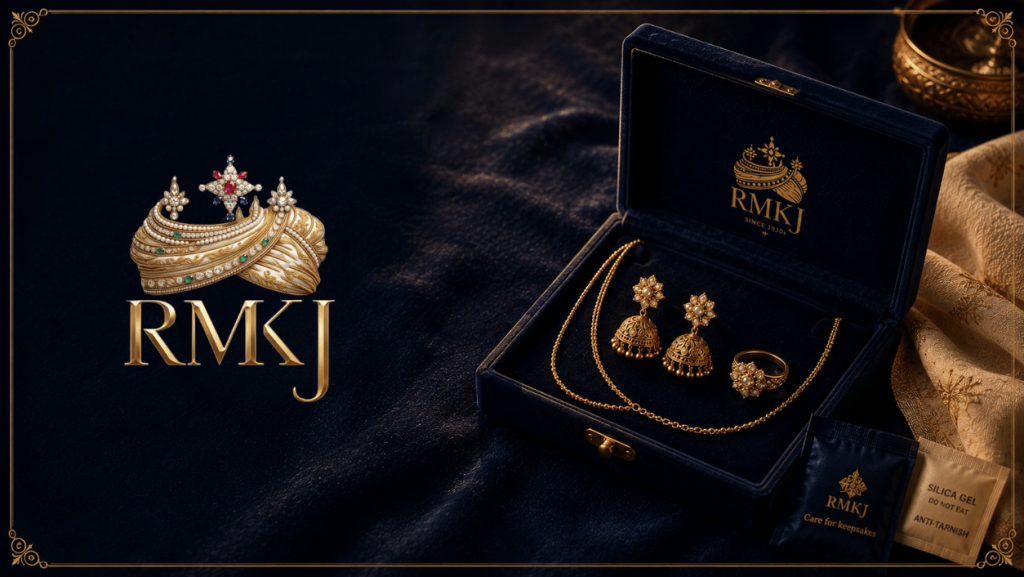
How to Store Your Jewellery Properly & Avoid Tarnish
Every piece of jewellery you own carries a story — a gift from someone special, a family heirloom, or a treat you bought yourself after a good year. But no matter how beautiful or expensive a piece is, it will lose its shine faster than expected if it isn’t stored the right way. Knowing how to store jewellery correctly is just as important as choosing the right piece in the first place, because even solid gold and fine gemstones are no match for careless handling, humidity, and daily wear and tear.
In this guide, we’ll walk through everything you need to know about safe storage, what actually causes tarnish, and simple daily habits that keep your collection looking new for years.
Why Proper Jewellery Storage Matters More Than You Think
Most people assume tarnish and dullness are just signs of “old” jewellery. In reality, it usually comes down to how and where the piece was kept. A drawer full of tangled chains, a humid bathroom shelf, or a box left near a sunny window can do more damage in a year than regular wear ever would. Good storage isn’t about being overly precious with your jewellery — it’s about protecting your investment so it stays wearable, giftable, and valuable for generations.
What Actually Causes Jewellery to Tarnish
To avoid jewellery tarnish, it helps to understand why it happens in the first place. Tarnish is a chemical reaction — metals react with sulfur compounds, oxygen, and moisture in the air, forming a dull layer on the surface. Silver is especially reactive, which is why it darkens faster than gold. Gold is naturally more resistant, but lower-karat gold alloys, gold-plated pieces, and gemstone settings can still dull over time from exposure to:
- Humidity and moisture
- Perfume, lotion, and hairspray
- Body oils and sweat
- Direct sunlight and heat
- Prolonged contact with air
None of this means your jewellery is “bad quality” — it simply means storage and daily habits need a little attention.
The Golden Rules of Jewellery Storage
If you remember nothing else from this guide, keep these four rules in mind:
- Store pieces separately. Letting chains, rings, and earrings touch each other causes scratches and speeds up tangling and tarnish.
- Keep it cool and dry. Avoid bathroom cabinets or anywhere near a window — humidity and sunlight are two of the biggest enemies of shine.
- Use anti-tarnish protection. Small anti-tarnish strips or silica gel sachets placed inside your box absorb excess moisture.
- Line your storage with soft fabric. A rough or synthetic lining can scratch softer metals and stones over time.
Together, these habits form the foundation of good jewellery care tips, whether you own two pieces or twenty.
How to Store Different Types of Jewellery
Not all jewellery needs the same kind of care. Here’s a breakdown by material.
Gold Jewellery
Gold resists tarnish naturally, but it can still lose its shine from constant contact with lotions and perfumes. Wrap gold pieces individually in a soft cloth pouch, and keep them away from harder metals or gemstone pieces that could scratch the surface.
Silver Jewellery
Silver is the most tarnish-prone metal, reacting quickly with sulfur in the air. Store silver in airtight anti-tarnish pouches or a lined box with a silica packet. Avoid rubber bands, rubber linings, or plastic wrap touching silver directly, as rubber actually speeds up the tarnishing process rather than preventing it.
Diamond and Gemstone Jewellery
Diamonds are hard enough to scratch almost anything else in your box, so always store them separately. Some gemstones, like amethyst or topaz, can fade with prolonged sun exposure, so keep coloured stones away from direct light and heat.
Gold-Plated and Artificial Jewellery
These pieces have a thin protective coating that wears off faster than solid gold. Store them flat, away from moisture, ideally in a zip-lock pouch with an anti-tarnish strip to extend the life of the plating.
Daily Habits That Prevent Tarnish
A well-designed jewellery storage box only does half the job — daily habits matter just as much:
- Make jewellery the last thing you put on when getting ready, and the first thing you take off when you’re home. This limits contact with perfume, deodorant, and hairspray.
- Always remove jewellery before swimming, showering, sleeping, or exercising — chlorine, sweat, and moisture are major tarnish triggers.
- Gently wipe each piece with a soft, dry cloth after wearing it, before putting it away. This removes oils and residue that build up over the day.
- Avoid tossing jewellery loosely into a bag or purse pocket, where it can scratch against keys, coins, or phones.
Best Storage Solutions Worth Investing In
If you’re serious about protecting your collection long-term, a few simple additions go a long way:
- A fabric-lined jewellery box with individual compartments for rings, earrings, and chains
- Anti-tarnish strips or silica gel sachets tucked into each compartment
- Soft, breathable pouches for travel or everyday pieces
- Hanging organisers for necklaces and chains, which prevent tangling and pressure marks
Choosing the right jewellery storage box is one of the simplest upgrades you can make — it takes minutes to set up but saves years of unnecessary polishing and repair.
Common Storage Mistakes to Avoid
Even careful owners fall into a few avoidable traps:
- Dumping all pieces into one drawer or bowl without separation
- Leaving jewellery boxes on windowsills or near heaters
- Using rubber-lined cases for silver
- Storing jewellery in humid spaces like bathrooms
- Forgetting to check and clean pieces regularly, allowing buildup to set in
Fixing even one or two of these habits can noticeably slow down tarnish and wear.
When to Get Professional Help
Some situations call for more than home care. Antique and heirloom pieces, intricate stone settings, and jewellery with loose prongs or clasps should be checked periodically by an experienced jeweller. Professional cleaning and inspection not only restores shine but also catches small issues — like a loosening setting — before they turn into a lost stone or a broken clasp.
If you’re ever unsure how to clean or store a particular piece safely, it’s always worth asking the jeweller you trust rather than experimenting with home remedies that could damage delicate metals or stones.
Final Thoughts
Good jewellery deserves good care. Learning how to store jewellery properly — separating pieces, controlling humidity, using anti-tarnish protection, and building simple daily habits — is a small effort that pays off in years of added shine and life. Whether it’s a piece you wear every day or one saved for special occasions, the right storage keeps it looking as beautiful as the day you got it.
Taking these small, consistent steps is really the difference between jewellery that fades within a few years and jewellery that’s still catching light — and compliments — decades from now.